Smoke Gets in Your Lens


In noir films, cigarettes are part of the cast. By modern standards the sheer volume of smoke is excess verging on parody. But audiences at the time scarcely gave it a second thought. At least half the population smoked and the other half were second-hand smokers without complaint. In fact, smoking gradually increased during the 1950s, hitting its peak in the mid-60s. Women were as addicted as men. Film noir was reflecting reality. If you were that proverbial alien from another planet who watched only film noir to learn about humans, you would conclude smoking was normal and ubiquitous, and to refrain was odd. Often, when declining a cigarette, characters would hold up their hand and apologize, “I don’t smoke.”
Film critics wax poetic describing the action: “Smoking became a symbol of existential despair, a psychological and emotional crutch used to prop up a character's mortal showing, an ambient prop, a burning menace, just simply an extension of hot and cancerous pain, jacketed in the reflective silo of the slim white tune, the mini phallic and the cool expression of one's doubting humanity.” ~ Classic Film Noir. Smoking in Film Noir Volume 1
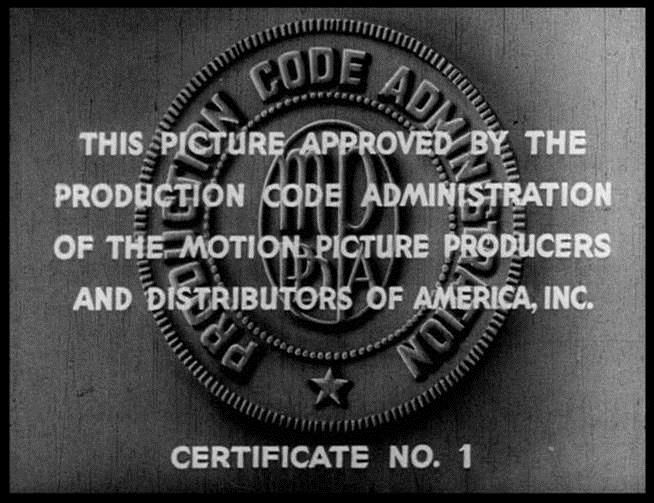
In 1931 the major studios implemented a voluntary ban on explicit product placement in films to avoid potential lawsuits - part of a wider "clean-up-the industry" campaign to stave off government censorhip. Bad enough to show characters smoking and drinking themelves to an early grave, don't suggest which brands to buy.

This did not prevent a lucrative collusion between tobacco companies and studio stars, but it was off camera. Promotion of specific brands timed to movie premieres was common, such as "candid" publicity photos of Robert Mitchem at the release of Out of the Past. Movie audiences logically assumed the cigarette they saw dangling from the character's lip was a Phillip Morris.
Tobacco brand names hardly ever appear in noir films. The major exception is Chesterfields in A Gun For Hire, made in 1942 when the company was supplying American service men with millions of free smokes. Look closely at the puffers in film noir and you'll notice distinct efforts, verging on slights of hand, to conceal any name on the packs that chartacters constantly handle. One thing you can be sure of - everyone drags on non-filters; sometimes you see a smoker pick a piece of tobacco from the tip of their tongue after lighting up. As a former addict of the pure leaf, this is a familiar behavior.
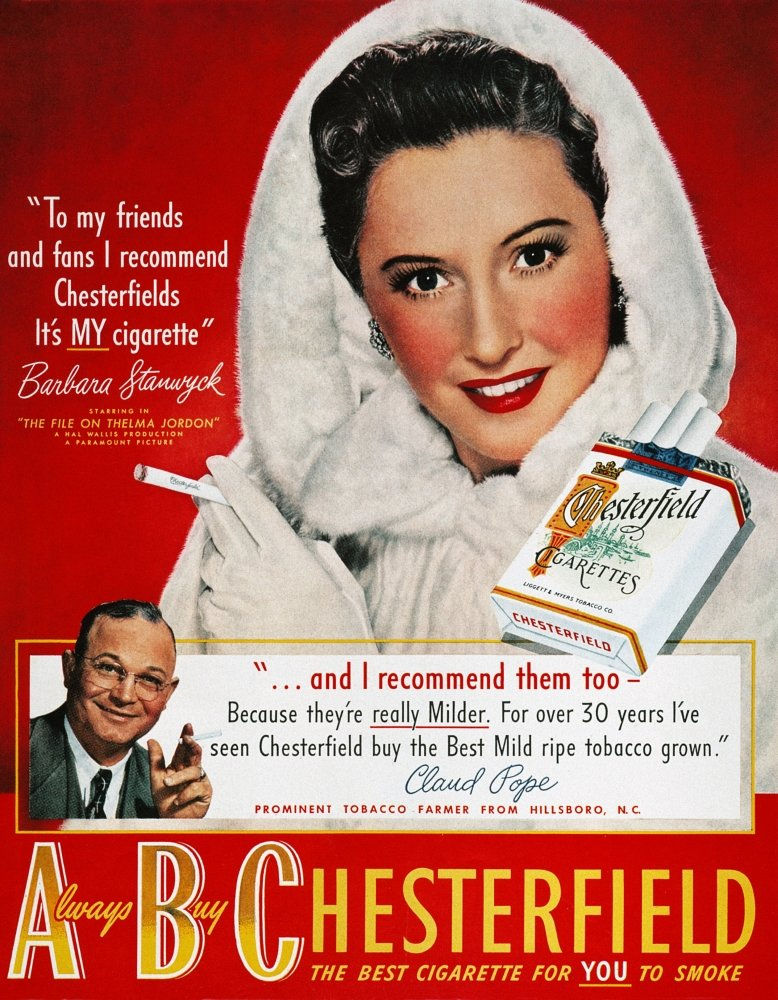
Top 10 best-selling cigarette brands in 1952:
Camel (plain) - 26.5%
Lucky Strike (plain) - 18.6%
Chesterfield (plain) - 14.4%
Pall Mall - (king-size, plain) - 10.8%
Philip Morris (plain) - 9.2%
Old Gold (plain) - 6.0%
Herbert Tareyton (king-size, plain) - 3.2%
Chesterfield (king-size, plain) - 2.8%
Raleigh (plain) - 2.1%
Viceroy (filter) - 0.7%
The other staple vice of film noir is alchohol. Gulping, like puffing, is nonstop, and as with smoking, brands are almost always concealed. Pabst Beer, one of the first companies to aggressively market product placement in films through so-called "expolitation agents," managed to break through briefly in the early 1950s.
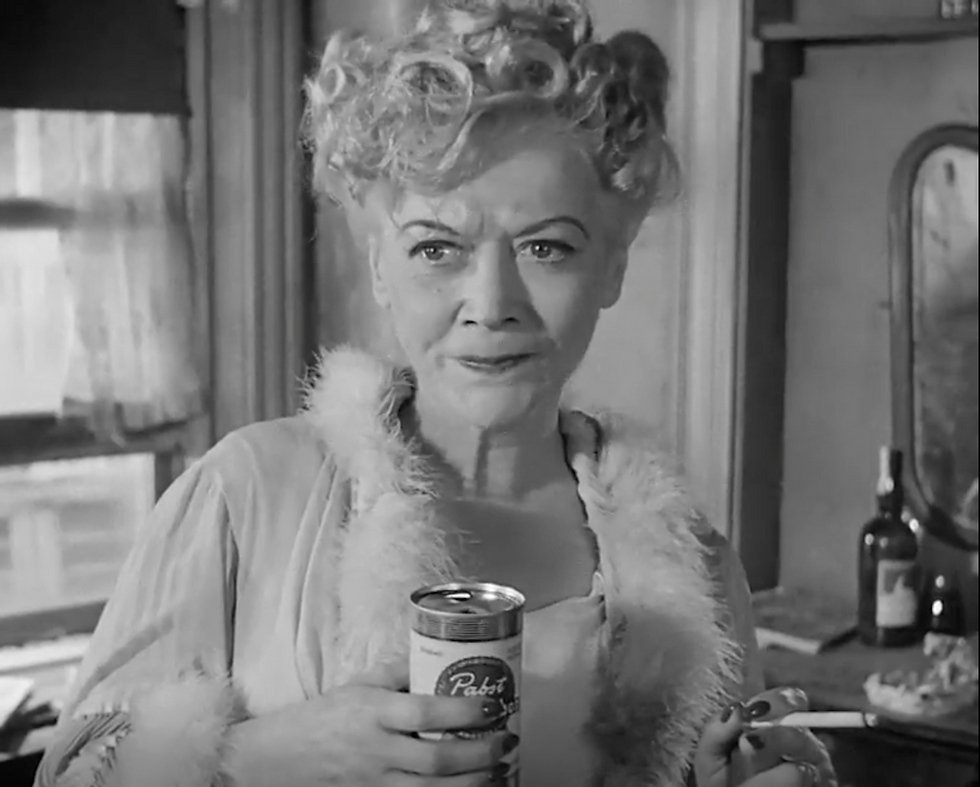
Pabst appears in Impact and He Ran All The Way. But it's ultimate placement came during a long climax in The Human Jungle where a burlesque dance (Jan Sterling) who knows too much is chased by the villainous Swados (Chuck Connners) through a sprawling Pabst bottle packing plant filled with logoed delivery trucks and in-your-face Pabst signage.
The only product that appears as often as cigarettes and alcohol in film noir is the automobile - a product too big to shroud.
What are your favorite noirs full of smoke and mirrors?